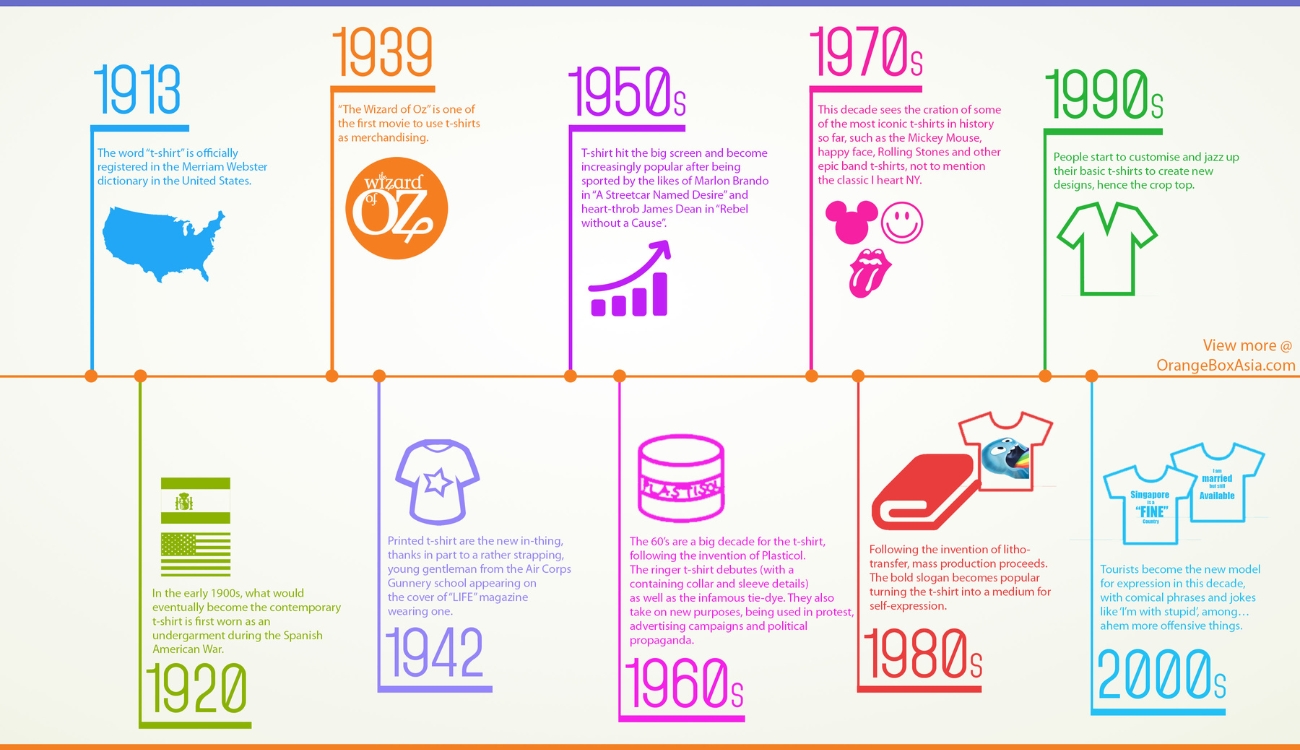
The graphic t-shirt, a staple in modern wardrobes, has a rich history that traces back over a century, evolving from humble undergarments to cultural icons. Its origins can be linked to the late 19th century when laborers in the United States began wearing simple, T-shaped cotton shirts as undergarments. These were practical, absorbing sweat and providing comfort during manual work. However, the true transformation began during World War II, as noted in historical accounts from Heddels and P&Co. The U.S. military issued t-shirts to soldiers, often printed with unit names or insignias, marking the first widespread use of graphics on tees. This military influence popularized the garment post-war, turning it into everyday wear.
By the 1950s, the graphic tee exploded into mainstream fashion, largely thanks to Hollywood. Marlon Brando’s iconic appearance in “A Streetcar Named Desire” (1951), wearing a fitted white tee, symbolized rebellion and masculinity, as highlighted in Startup Fashion’s archives. Similarly, James Dean in “Rebel Without a Cause” further cemented the tee’s status as a symbol of youth culture. During this era, companies like Tropix Togs began printing resort motifs on tees, targeting tourists in places like Miami, introducing colorful, thematic designs. The 1960s saw a surge in political and social messaging; tie-dye and screen-printing techniques allowed for anti-war slogans, band logos, and pop art, influenced by artists like Andy Warhol. Sources such as Printful’s blog emphasize how the Beatles’ merchandise tees popularized band graphics, making tees a canvas for self-expression.
The 1970s and 1980s brought commercialization. Punk rock bands like the Ramones and Sex Pistols used graphic tees for edgy, DIY aesthetics, while hip-hop culture in the 80s adopted oversized tees with bold logos from brands like Stüssy. According to Real Thread’s history, advancements in screen-printing made mass production affordable, leading to the rise of branded tees from companies like Nike and Adidas. The 1990s shifted towards minimalism and irony; think Calvin Klein’s understated logos or humorous prints from brands like No Fear. The internet boom in the late 90s enabled custom printing, democratizing design.
Entering the 2000s, graphic tees became high fashion. Designers like Marc Jacobs incorporated them into runway shows, blending streetwear with luxury. The rise of fast fashion from H&M and Zara made trendy graphics accessible, but also sparked sustainability concerns. By the 2010s, social media amplified trends; Instagram influencers popularized vintage-inspired tees, while collaborations (though we focus on independent designs here) boosted visibility. Medium’s article points to early examples like “The Wizard of Oz” promo tees in 1939 as precursors, but the real evolution came with digital printing technologies like DTG (Direct-to-Garment), allowing intricate, full-color graphics without fading.
Today, in 2025, graphic tees reflect diverse influences: sustainability-driven organic cotton prints, AI-generated designs, and inclusive sizing. Full Press Apparel’s timeline notes the industry’s shift towards eco-friendly inks and recycled fabrics, addressing environmental impacts. The tee’s popularity endures due to its versatility – from casual outings to layered semi-formal looks. In Europe and America, brands emphasize cultural relevance, with graphics drawing from urban art, nature, and abstract motifs. The market, valued at over $30 billion as per Thieves River, shows no signs of slowing, with projections for continued growth through personalized, on-demand printing.
This evolution underscores the graphic tee’s role as a mirror of society. From WWII utility to 1950s rebellion, 1960s activism, and modern sustainability, it has adapted while remaining accessible. For Rivonaprint, this history inspires our collections, focusing on timeless yet contemporary designs that honor the tee’s legacy. Whether you’re drawn to vintage vibes or modern minimalism, understanding this journey enhances appreciation for each piece. As fashion continues to evolve, the graphic tee remains a democratic medium for expression, blending art, culture, and comfort seamlessly.